What We Talk About When We Talk About Tambourines: The Bonnettes Live Lexicon
A Bonnie & The Bonnettes gig is not just a run of songs. It is a room full of people who have learned how to talk to each other between the choruses. Some of that language is practical. Some of it is silly. All of it has grown up organically at shows across the UK in 2026, passed from the front row to the back bar and out into the queue for the last train home.
What follows is not an official glossary. It is a field guide to the phrases that have started to stick — the in-crowd shorthand for the rituals, the jokes and the tiny bits of stagecraft that make a Bonnettes night feel like a Bonnettes night. If you have got one we have missed, add it in the comments. A live lexicon is a living thing.
The Pre-Show Patter
1. Sparkle Check
The last-minute glance at your sleeves, your collar, your shoulders. The sparkle check happens in the queue, in the loos, in the reflection of a phone screen. It is not about looking perfect. It is about bringing your own bit of glitter to the party. The phrase started as a joke between two fans outside a Leeds venue in 2026 and has since become a genuine ritual. You do not say it loudly. You just catch someone's eye, nod at their sequins, and say: 'Sparkle check.' They nod back. That is the whole exchange.
2. The Setlist Peek
You will see it near the front: someone craning to read the handwritten setlist taped to a monitor or a amp. The Setlist Peek is polite nosiness. It comes with an unwritten code. If you spot the last song, you do not spoil it. You keep it to yourself and enjoy the smug glow of knowing. The standard response to 'What is the last song?' is still: 'You will see.'
3. The Tuning Whisper
The low, patient chatter that fills the room while Bonnie retunes or swaps a capo. It is not rude. It is the sound of a crowd being comfortable enough to wait. The phrase came from a night when a string went out of tune and someone at the barrier shouted, 'Take your time, love.' Now the Tuning Whisper is its own small tradition. It is the hush before the next song, with a smile in it.
The Mid-Gig Dictionary
4. The Tambourine Handoff
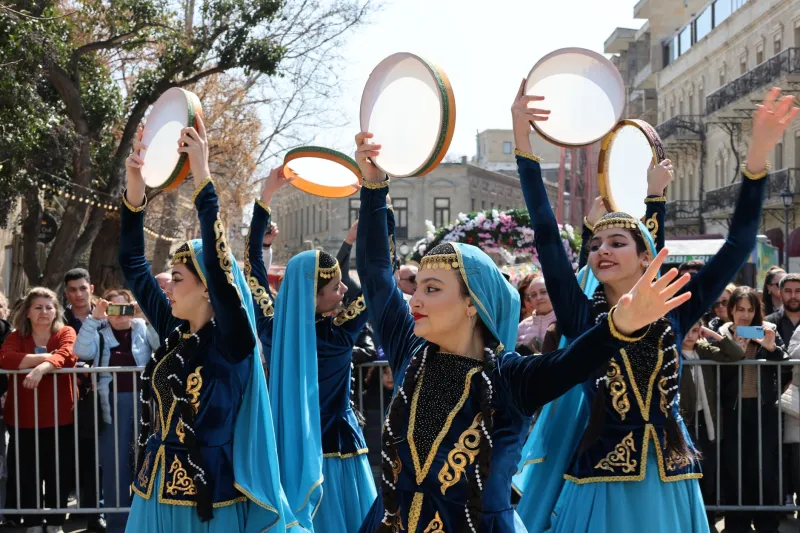
The moment Bonnie passes her tambourine into the front row during a chorus. It started as a one-off and has become a set piece. There is etiquette involved. Hold it like a full pint. Do not shake it until the downbeat. Give it back at the end of the verse, ideally with a grin. The Tambourine Handoff is the closest most of us will get to being in the band, and everyone treats it with the appropriate seriousness.
5. Second-Wave Tambourine
This is the moment the audience tambourines come in a beat after Bonnie's. The first wave is hers. The second wave is the room. For half a second it sounds like it might fall apart, then it locks in. It is the sound of a crowd that has listened to the records enough to know where the beat lives. Nobody plans the Second-Wave Tambourine. It just happens, and it is glorious.
6. Half-Past
Shorthand for 'Half-Past Heartbreak', the song that has become a last-song-of-the-night contender. The title is long and the song is big, so the crowd shortened it. Now people just shout 'Half-Past!' when they want it. It doubles as a time-check joke. Is it half-past yet? Not until the encore. The phrase has the pleasing quality of sounding like a plan and a plea at the same time.
7. The Glitter Tax
The glitter you take home on your coat, in your hair, on your phone screen. The Glitter Tax is non-negotiable. You do not brush it off in the car park. You wear it to breakfast. A fan on the train back to Manchester once said she had 'paid the glitter tax' and the phrase stuck. It is a badge of honour, a small souvenir, and a warning to anyone who lends you a black jacket.
8. The Bonnie Nod
The small nod Bonnie gives the band before a tempo change or a hard stop. From the front rows, it is visible if you know where to look. Fans started watching for it and now people nod back. It is the least cool, most joyful thing in the room. The Bonnie Nod is not choreography. It is communication, and it is catching.
The Last-Song Language
9. The Last-Song Face
The expression Bonnie wears just before the final song. Part smile, part 'don't make me cry'. The Last-Song Face says: this is the last one, so sing it properly. If you see it, you know to put your drink down and your arms up. It is a warning and an invitation. The phrase appeared on a fan forum after a Cardiff show in 2026 and has been used ever since.
10. The Encore Shrug
The exaggerated shrug Bonnie does when the crowd calls for one more. It is a fake-out, of course. The band does the off-stage bit, the crowd does the stamping, and then the shrug arrives. It means: oh, go on then. The Encore Shrug is the most theatrical part of the night, and everyone knows it is coming. That does not make it any less effective.
11. The Sparkle Puddle
The pile of glitter and confetti on the floor after the show. Fans started pointing at it and saying, 'Mind the sparkle puddle.' It is a hazard and a souvenir. If you drop a hairclip in it, it belongs to the venue now. The Sparkle Puddle is the physical evidence that a good night happened. Clean-up crews hate it. The rest of us love it.
12. The 'One More?' Palm
The open palm Bonnie holds up during the encore, asking the room to sing the last chorus alone. It is not really a request. It is a dare. The room always takes it. The 'One More?' Palm is the closest thing to a group hug you can do with your voice. It is also the moment you realise you have been singing loudly enough to be heard, which is the whole point.
Add Your Own
None of these phrases are official. They are just what happens when a band plays the same rooms often enough and a crowd starts to feel like a crowd. If you have got a phrase we have missed — the thing you shout at the barrier, the signal you give your mate when the tambourine is coming, the name you have for that bit in the set where everyone goes quiet — send it in. We will add the best to the next edition.
After all, a lexicon is just a setlist with the songs taken out. And a Bonnettes setlist is never just a list. It is a conversation.