When the Chatter Stops: Ranking Bonnie’s Between-Song Monologues by Quiet-Room Power
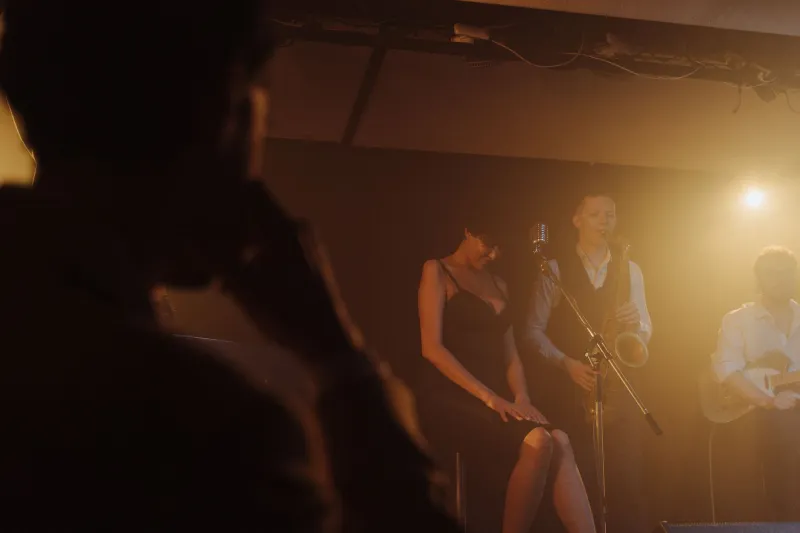
There is a specific sound a UK gig crowd makes at 11pm. It is not booing. It is not even a chant. It is the rustle of thirty conversations deciding whether to keep going, plus one bloke near the bar saying ‘sorry, mate’ to nobody in particular. And then Bonnie says something, and the room tilts.
The Bonnettes are a loud band. That is not a criticism; it is the whole point. But between the big choruses and the tambourine shakes, there is a smaller, stranger skill at work: Bonnie’s between-song patter. It is easy to miss because it looks like filler. It is not. It is the bit that turns a Friday-night crowd from a room full of separate evenings into a single listening thing. So, as the 2026 gig calendar heads towards its last few sparkly corners, here is a ranking of the classic Bonnettes monologue types by quiet-room power — how effectively each one shuts up a UK venue before the next song starts.
How we’re scoring quiet-room power
Not volume. Not laughs. Quiet-room power is the measurable drop in chatter between the first sentence and the last. It is the moment the bar queue stops talking over the set. It is the phone screens going down. It is the difference between ‘they’re on’ and ‘we’re watching’. A top-ranking monologue does not just fill time; it changes the temperature of the room. It buys attention for the next chorus.
6. The gear-malfunction shrug
‘The lead’s gone funny, give us a second.’ Low quiet-room power, but high usefulness. This one does not hush a room so much as relax it. The crowd gets a little collective exhale, a few sympathetic laughs, and a chance to check their phones without feeling rude. It humanises the band, which matters, but it does not buy silence. It buys patience. There is a difference.
5. The proud-aunt update
A quick bit of family news, a tour-van anecdote, or a mention of someone’s auntie in the third row. This is warm and likeable, and it usually gets a soft ‘aaah’ from the room. But it also invites chatter. People turn to each other to say ‘that’s nice, that is.’ It is a lovely bit of set texture, but it is not a hush. It is a pause with a smile.
4. The crowd-member callout
‘You, in the glittery jacket — you’ve been singing every word.’ This one can go either way. If it lands, the room goes nosy-quiet, because everyone wants to see who has been noticed. If it does not, it can spike the chatter, because the called-out person has to explain themselves to their mates. UK crowds love being noticed but hate being ambushed. The trick is affection, not accusation. High risk, high reward.
3. The false-start confession
Bonnie starts a story, gets two sentences in, stops, and says, ‘No, I can’t tell that one.’ That is the quietest kind of tease. A false start makes a room lean in. It says: there is a story here, and you are not getting all of it. It is the live equivalent of a group chat ‘never mind’. The hush is partly curiosity, partly the fear of missing the punchline. Very effective before a slower song.
2. The hairclip origin story
This is the fan-lore one. The hairclip, the charity-shop find, the one that flew off in soundcheck, the spare one that lives in the van. It sounds trivial. It is not. It gives the crowd a tiny object to hold onto and a bit of Bonnettes mythology. Rooms go soft and quiet for this one, because everyone is picturing it. It also buys the band time to retune without anyone noticing. The best version ends with Bonnie putting the clip back in and saying something like ‘right, then’ — and the next song lands twice as hard.
1. The pre-chorus warning
The top spot is not the funniest or the most dramatic. It is the one where Bonnie tells the room exactly what is coming. ‘This next one is a big one. If you know it, help us. If you don’t, just watch.’ That is it. That is the hush. It is not a confession or a callout; it is a hand on the room’s shoulder. It gives the crowd a job. And UK crowds, given a job, will do it properly. The chatter stops because people do not want to be the one who ruined the take-off. By the time the drums count in, the room is on side.
Why the small stuff matters
The Bonnettes’ live show is often described in terms of sparkle, volume and costumes. All true. But the patter is the hinge. It is the unglamorous craft that makes the glamorous bits work. A big chorus is only as big as the silence before it. The 11 o’clock hush is not a gimmick; it is a skill. And on a cold November night, with the last train home looming, it is the reason people stay for one more song.