Doors at Seven, Magic by Half Past: A Field Guide to the Bonnettes’ Support Slots
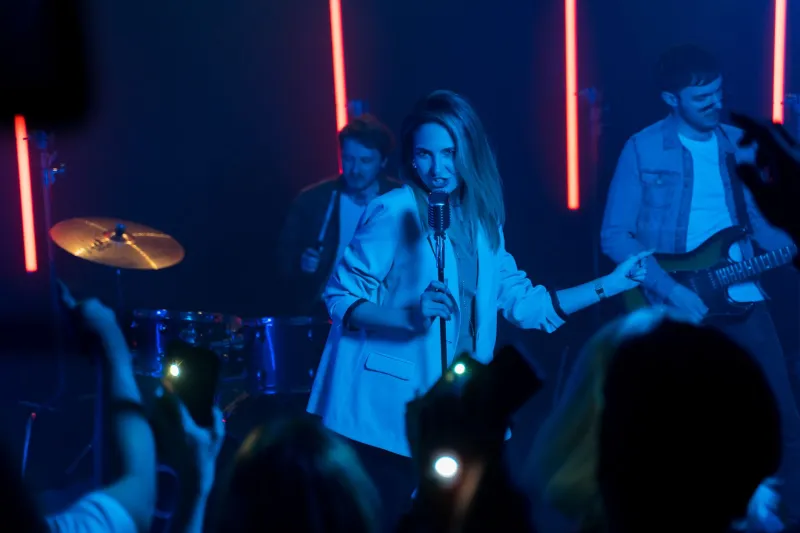
There is a particular kind of magic that happens in a UK venue at 7:35pm, about six minutes into a support set, when the room is still half-full and the bar queue has finally died down. The lights are a bit too bright. The singer is telling you the name of a song as if you already know it. And then, quite unexpectedly, the person next to you stops looking at their phone. That is the moment the Bonnettes’ support slots are built for.
Bonnie has been vocal about this for a while now: the opening 25 minutes are not a warm-up for the headliner. They are the first act of the night, and they deserve your attention, your applause and — crucially — your early arrival. As the band prepares for a run of winter shows, here is what goes into those short sets, why they matter, and how to be the kind of audience the first band on stage actually wants to play to.
How Bonnie Picks the Openers
The Bonnettes’ support slots are not booked by algorithm. Bonnie has described her criteria in typically casual terms: local, a bit odd, and able to hold a room with three chords and a decent story. She likes acts from the town they are playing in — not as a box-ticking exercise, but because a support slot should feel like a conversation between the headliner and the place they have landed in for the night.
The other rule is less rule, more instinct. The opener has to be able to survive a room that is still filling up. That means no long, moody intros. No extended tuning between songs. No pretending the audience isn’t there. The best support acts treat a half-full room like a full one, and the Bonnettes’ team has got very good at spotting that particular skill.
Three 2026 Openers Worth Arriving Early For
This year’s support slots have thrown up a handful of acts who have genuinely stolen the first 25 minutes. Here are three to keep an eye on if they turn up on a bill near you.
Marta Vane & the Late Bus — Leeds
A three-piece with a keyboard held together by gaffer tape and a lead singer who introduces every song with a bus-related fact. Their closer, ‘Bus Fare Cathedral’, has become a quiet word-of-mouth favourite on the northern circuit: a two-chord pop song that somehow makes a room of strangers do a handclap without being asked. Bonnie has called them ‘the best argument for leaving the house at 6:45pm that I have heard all year’.
The Corner Shop Choir — Bristol
Six people, one Casio, and an approach to harmony that sounds like a dropped tray of cutlery in the best possible way. Their set is short, sharp and strangely moving, particularly ‘Two Litres of Milk and a Prayer’, which has no chorus to speak of and yet somehow gets stuck in your head for three days. They are the sort of band that makes a support slot feel like a secret.
Della and the Dry Cleaners — Glasgow
Retro soul with a beehive, a tambourine and a rhythm section that refuses to rush. Della’s between-song chat is almost as good as the songs, and ‘Press and Fold’ contains a tambourine break that Bonnie has publicly admitted to envying. If you are the sort of person who arrives late and stands at the back, this is the act that will make you regret it.
What the First 25 Minutes Tell You About the Main Event
A support set is not just a warm-up; it is a temperature check. If the opener gets a room singing along by the second song, you can usually guarantee the headliner will be loose, generous and up for an encore. If the room is still chatting through the quiet bits, Bonnie will notice — and she will spend the first ten minutes of the Bonnettes’ set winning them back.
The support slot also sets the pace. A tight, 25-minute opener with no wasted gaps tells you the whole bill has been thought about. A rambling one tells you the opposite. The Bonnettes’ team have been running support slots like a small, glittery ecosystem since 2023, and the difference shows.
The Etiquette Bit: A Gig-Goer’s Guide
This is not a lecture. It is a short list of small shifts that make a big difference.
- Arrive for doors, not for the headliner. You do not have to be there at 7pm on the dot, but aim to be in the room before the first band starts. The walk from the bar is shorter, the view is better, and the support act will see a full room rather than a queue.
- Keep the chat for the interval. The quiet song is not the time to tell your mate about your kitchen extension. The room is a shared instrument, and the first band can hear you.
- Buy something from the merch table. A badge, a tote, a fiver in the bucket — it all counts. Support slots are often unpaid or barely paid, and a tiny sale can be the difference between a band getting home and a band sleeping in a van.
- One-drink rule at the barrier. Nobody wants to be the person who returns mid-song with four pints and a bag of crisps. If you must do a bar run, do it between songs, not during the one quiet bit.
- Phones down for the first song. You can film the headliner. Give the opener your actual eyes for at least one track.
- Clap like you mean it. The support act can see you. A generous room makes for a braver performance, and a braver performance makes for a better night.
Three Songs to Catch Before the Headliner
A quick boxout for the early arrivals.
- ‘Bus Fare Cathedral’ — Marta Vane & the Late Bus. For the handclap that arrives out of nowhere and makes the room feel like a community hall wedding.
- ‘Two Litres of Milk and a Prayer’ — The Corner Shop Choir. For the harmony that lands like a dropped tray of cutlery in the best possible way.
- ‘Press and Fold’ — Della and the Dry Cleaners. For the tambourine break that Bonnie has been openly envious of since the summer.
None of this is about being precious. It is about noticing that the Bonnettes’ shows are built on a simple idea: a gig is a whole evening, not a headline. The support slot is where the night finds its feet, and the audience is part of that. So set an alarm, get the earlier train, and give the first band your best 25 minutes. They will give you theirs.